Does FAQ Schema Increase AI Citations? A 90-Day Study
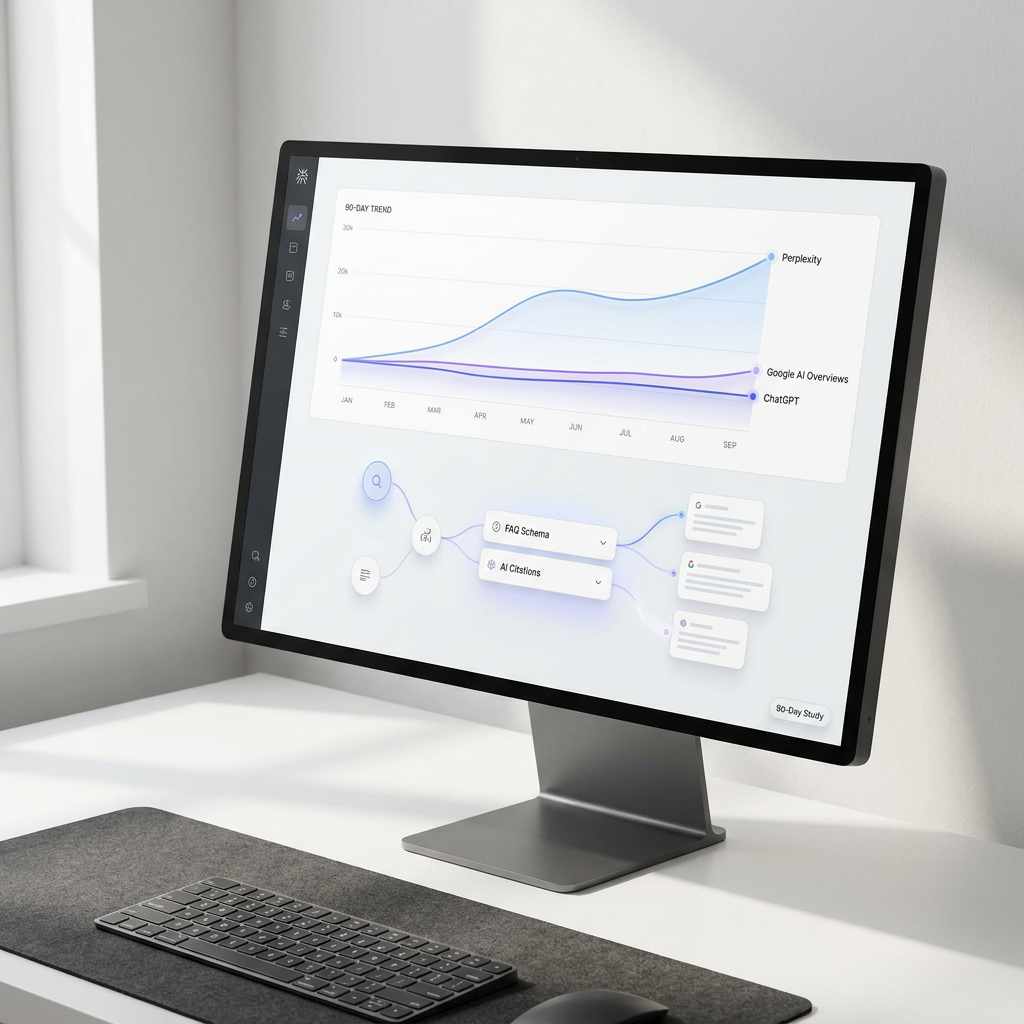
A 90-day study on 120 pages reveals FAQ schema only boosts Perplexity citations modestly. Google AI Overviews and ChatGPT showed no significant gain from markup alone.
Stay ahead with expert analysis, strategies, and updates on AI visibility and SEO.

A 90-day study on 120 pages reveals FAQ schema only boosts Perplexity citations modestly. Google AI Overviews and ChatGPT showed no significant gain from markup alone.

Trying to choose between Authority Radar and Evertune? We break down the real differences in pricing, features, and AI tracking to help you decide which tool actually fits your team's needs.

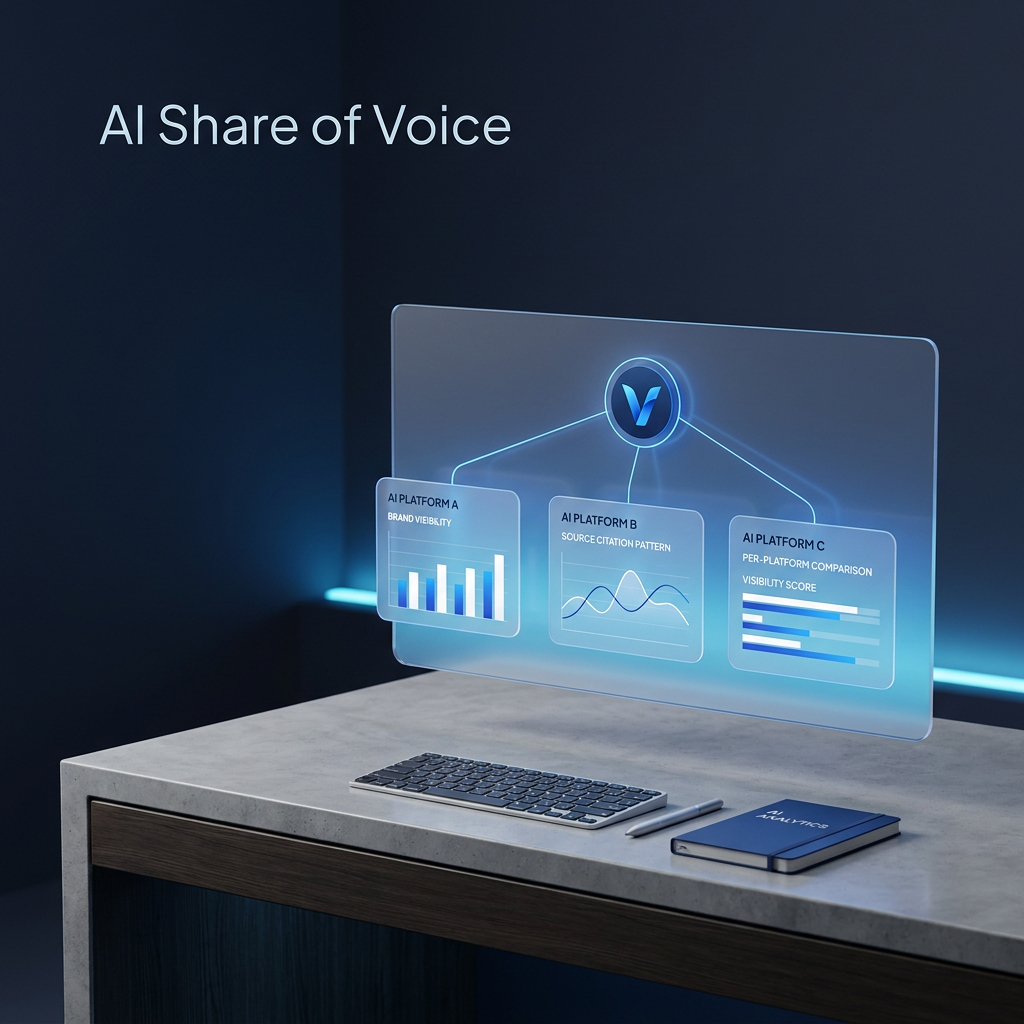
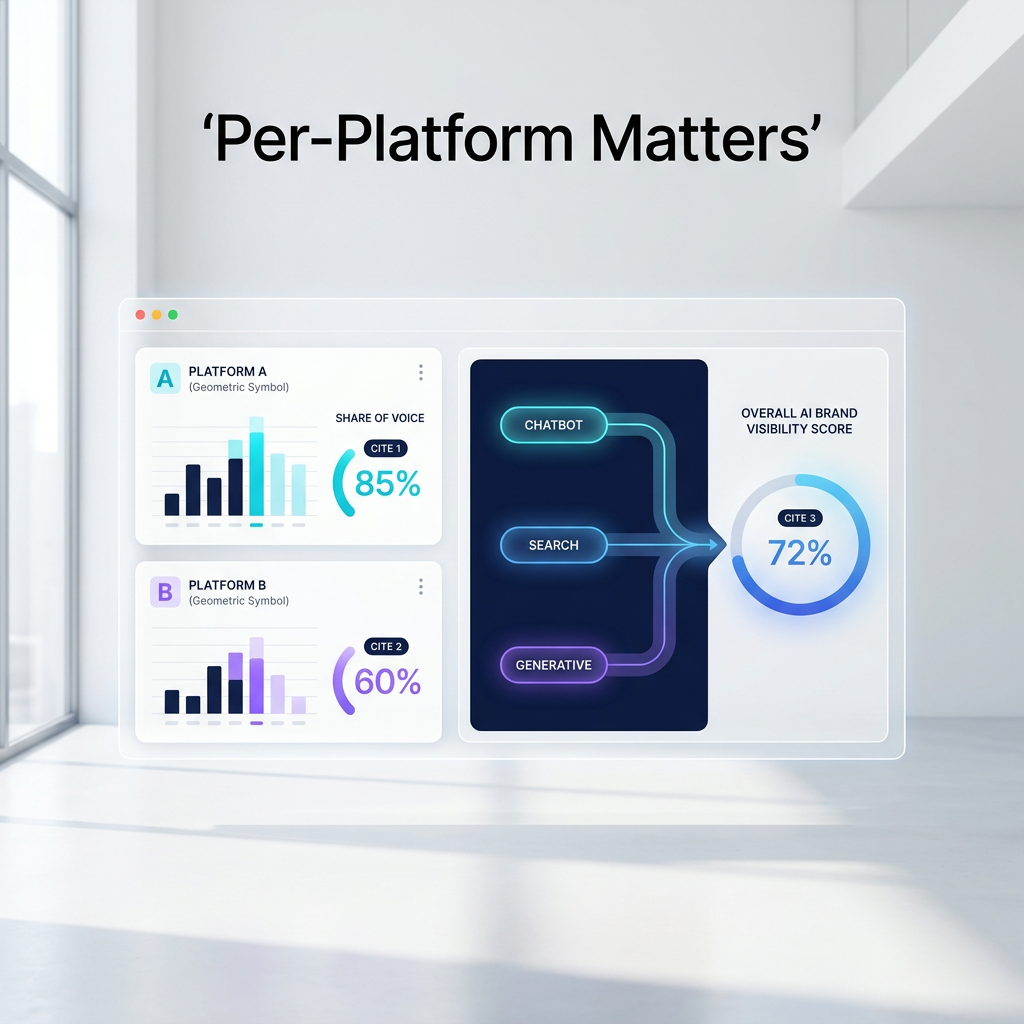
AI Share of Voice measures brand visibility in AI answers. Per-platform tracking reveals gaps because ChatGPT and Perplexity cite different sources.

Trying to decide between Bluefish AI and Authority Radar? We break down the real differences in AI visibility, SEO, and content workflows so you can pick the right tool for your team.

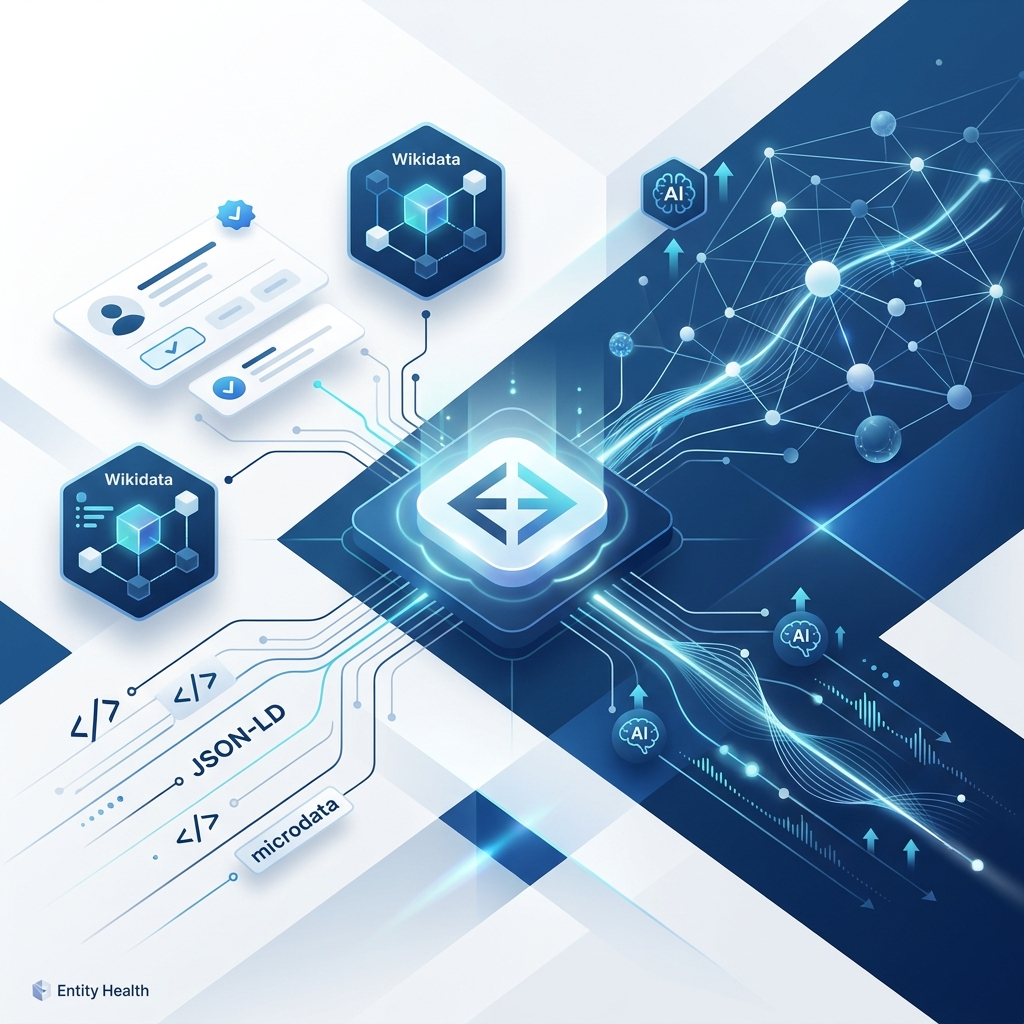
Entity health determines if AI models recognize your brand. Learn to build Wikidata items and schema markup for better AI citations and visibility.

Wondering whether to pick Authority Radar or xFunnel? We break down the AI visibility features, pricing, and content workflows to help you choose the right tool for your team.

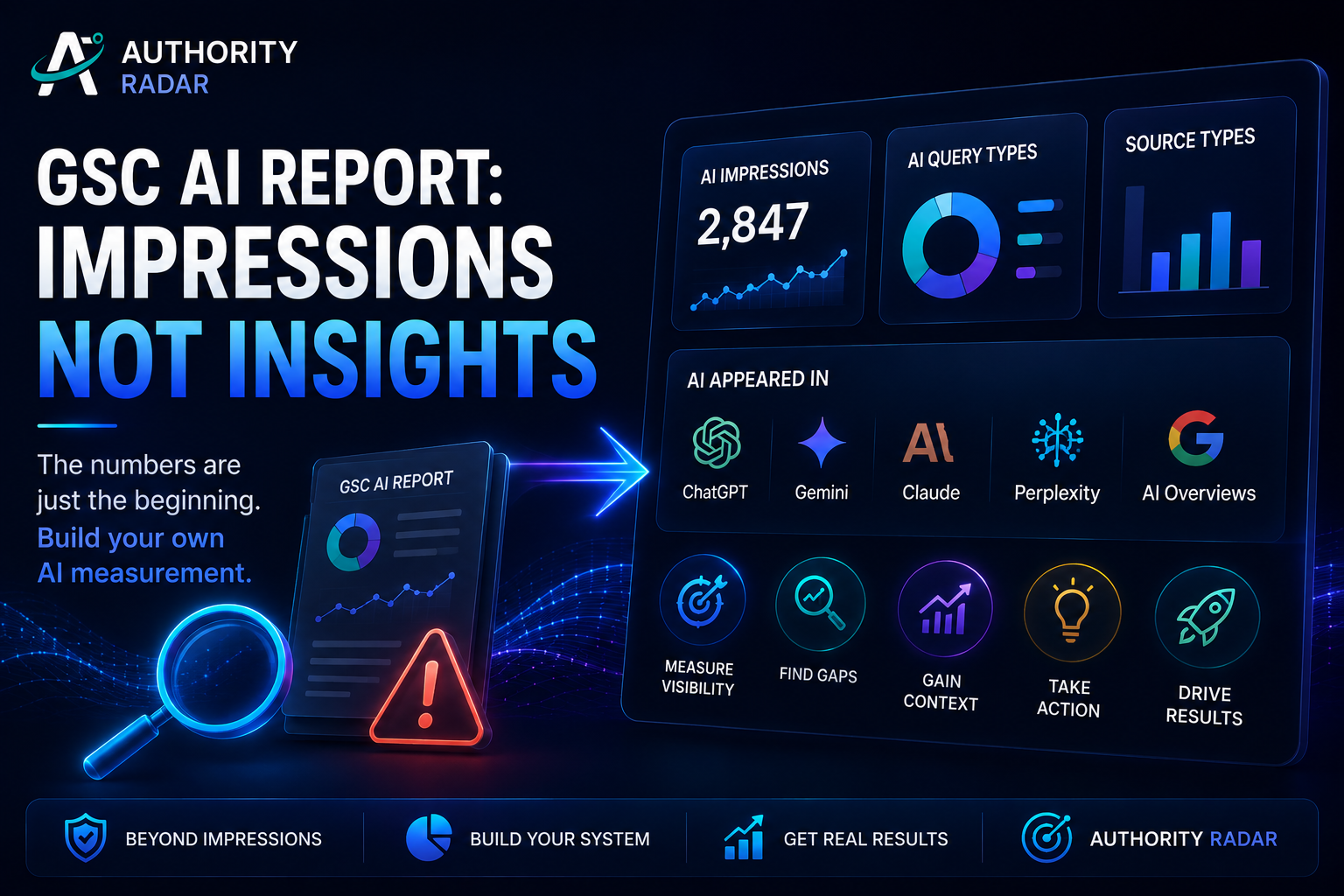
I logged into GSC last week and saw a new tab: "Search Generative AI Performance." Finally, I thought, I can see how much AI traffic I'm getting. Then I clicked in. Impressions? Yes. Clicks? No. Position? No. CTR? No. Just a raw impression count with zero context. This is the huge catch nobody's talking about.

Wondering whether to use Authority Radar or Nightwatch? We break down the pricing, features, and real-world performance to help you pick the best AI SEO tool for your team.

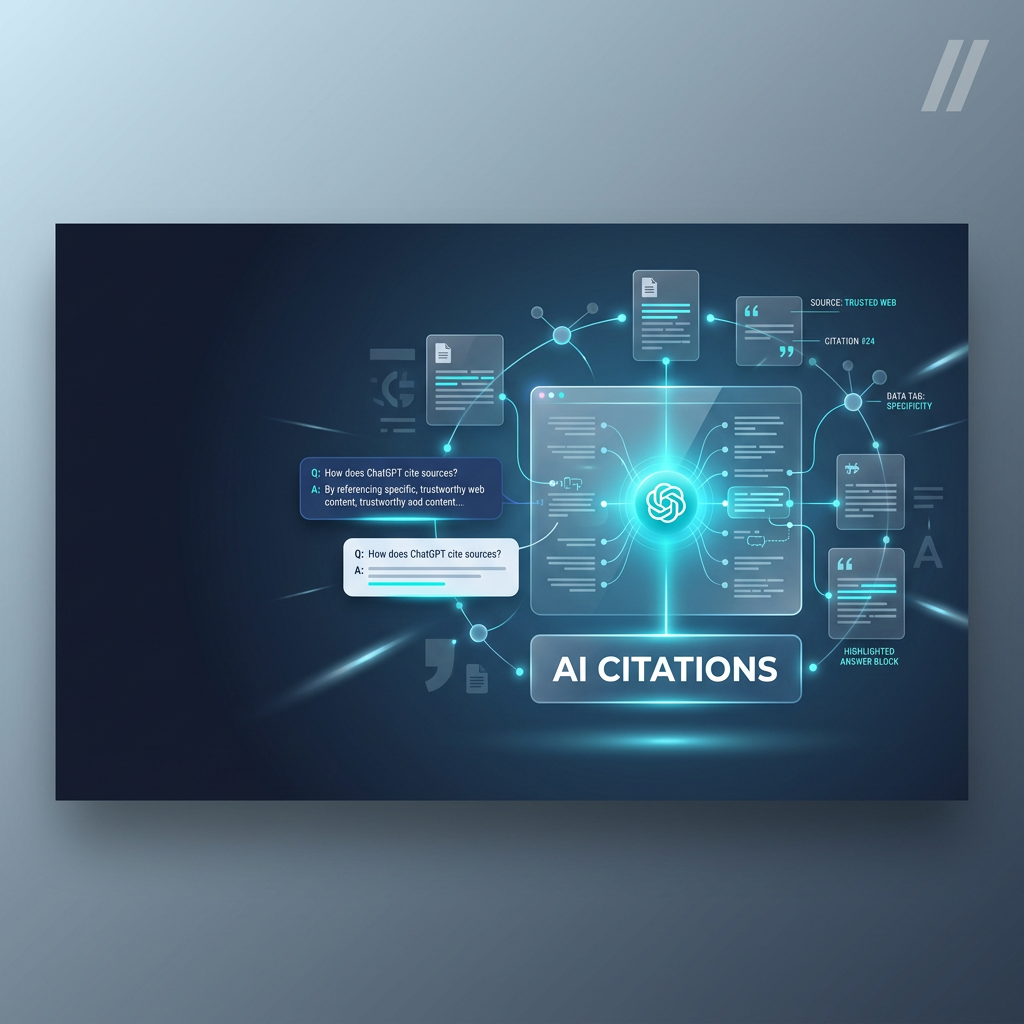
ChatGPT cites content that answers specific questions in self-contained answer capsules backed by named data. This guide reveals 12 tactics to shape your pages for AI-search visibility.

Trying to choose between Authority Radar and SE Ranking (SE Visible)? We tested both on AI tracking, GSC integration, and content workflows to help you pick the right tool for your team.
The best LLMClicks alternatives are Authority Radar, Otterly, Peec AI, Visby, and LLM Pulse. We tested each for credibility, transparency, and coverage.

Voice search returns a single spoken answer from one source, while AI search synthesizes multi-source answers with citations. Tactics differ for each channel.
Most tools just show you the AI visibility problem. We compare Surfer AI Tracker vs Authority Radar to see which one actually helps you fix the gap and close the loop without leaving the platform.

Wondering whether to pick Authority Radar or Writesonic GEO for your AI visibility needs? We break down the features, pricing, and real-world use cases to help you choose the right platform.

Wondering whether to use Authority Radar or LLMrefs? We break down the strengths, weaknesses, and pricing of both AI visibility tools so you can pick the right one for your workflow.

AI search is changing the game. We break down Authority Radar and Similarweb AI Visibility to help you decide which platform helps you track, analyze, and fix your AI visibility gaps today.

Wondering which AI visibility tool to pick? We break down Authority Radar versus Ahrefs Brand Radar to help you track LLM mentions, fix content, and win back your organic traffic.

Wondering whether to pick Authority Radar or Rankscale AI? I break down the real differences in AI tracking, GSC integration, and content workflows so you can choose the right tool for your team.

Wondering whether to pick Authority Radar or Goodie AI for your AI visibility needs? We break down the features, pricing, and real-world value to help you make the right choice for your team.

Trying to choose between Conductor and Authority Radar? We break down AI visibility, pricing, and GSC integrations to help you pick the right SEO tool for your team without any guesswork.

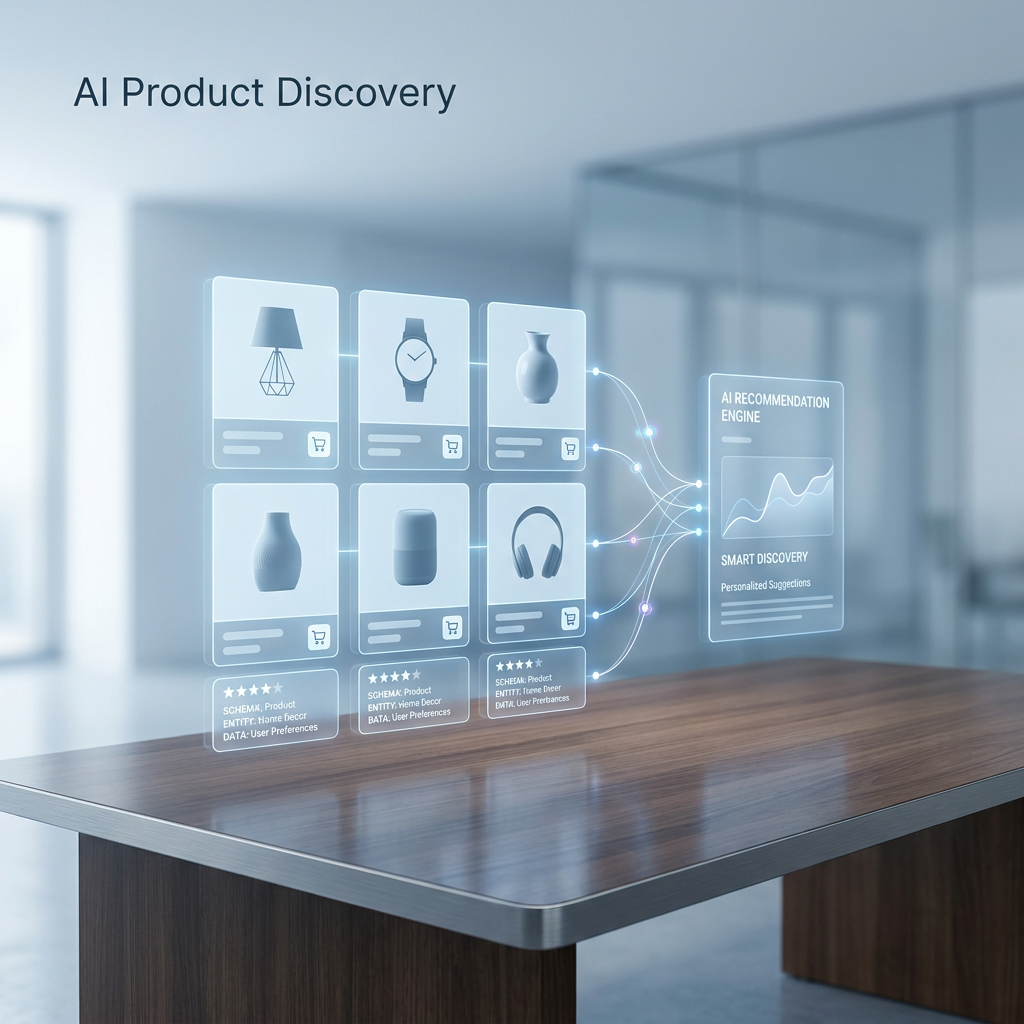
AI shopping answers rely on structured product data, not SEO rankings. Learn how to optimize schema, brand entities, and reviews for GEO e-commerce success.

June 2026 brought subtle AI search citation shifts. Google narrowed sources, ChatGPT expanded browse-mode, and Perplexity rebalanced freshness vs authority for brands.

Trying to choose between AthenaHQ and Authority Radar? We break down the data, pricing, and features so you can see exactly which tool actually helps you fix your AI visibility and search rankings.

Wondering if you need a dedicated AI visibility platform or just an add-on? We break down Authority Radar and Semrush AI Toolkit to help you pick the best tool for your team in 2026.

Trying to decide between Authority Radar and Otterly.ai? We break down the features, pricing, and real-world use cases to help you pick the best AI visibility tool for your team in 2026.

Wondering whether to pick Scrunch AI or Authority Radar? We break down the pricing, features, and AI engine coverage to help you choose the right visibility tool for your team without the guesswork.

Wondering whether to pick Peec AI or Authority Radar? We break down the pricing, features, and AI tracking capabilities to help you choose the right tool for your SEO and content workflow.

AI answer engines are changing search. We break down Profound versus Authority Radar to help you pick the right tool for tracking visibility and driving real ROI without the marketing fluff.

AI Share of Voice measures brand appearances in AI answers versus competitors. Per-platform tracking is vital since each tool sources citations differently.

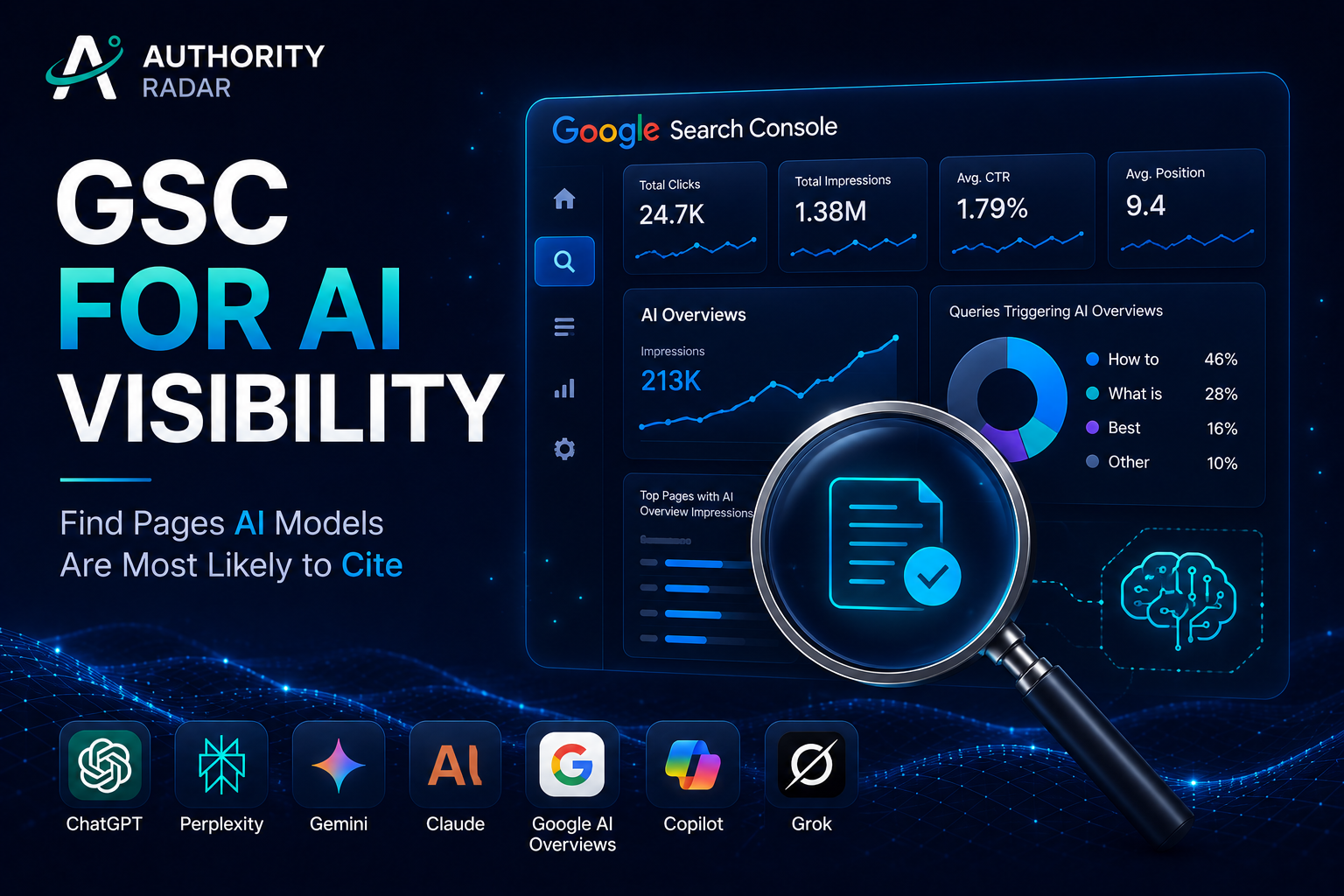
Google Search Console won't show ChatGPT referrals, but it reveals query data predicting AI answer readiness. Learn the workflow to turn GSC data into AI visibility wins.
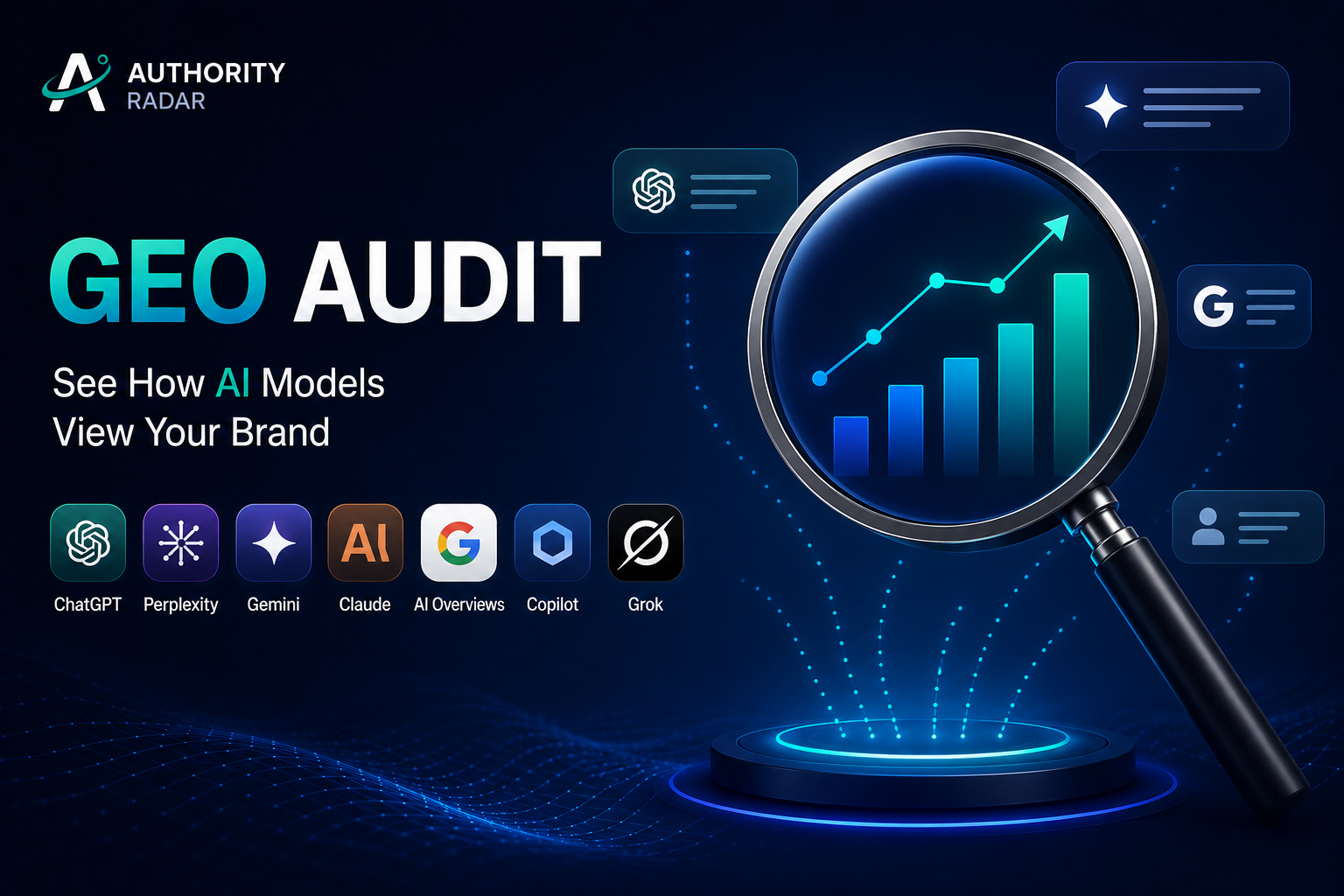
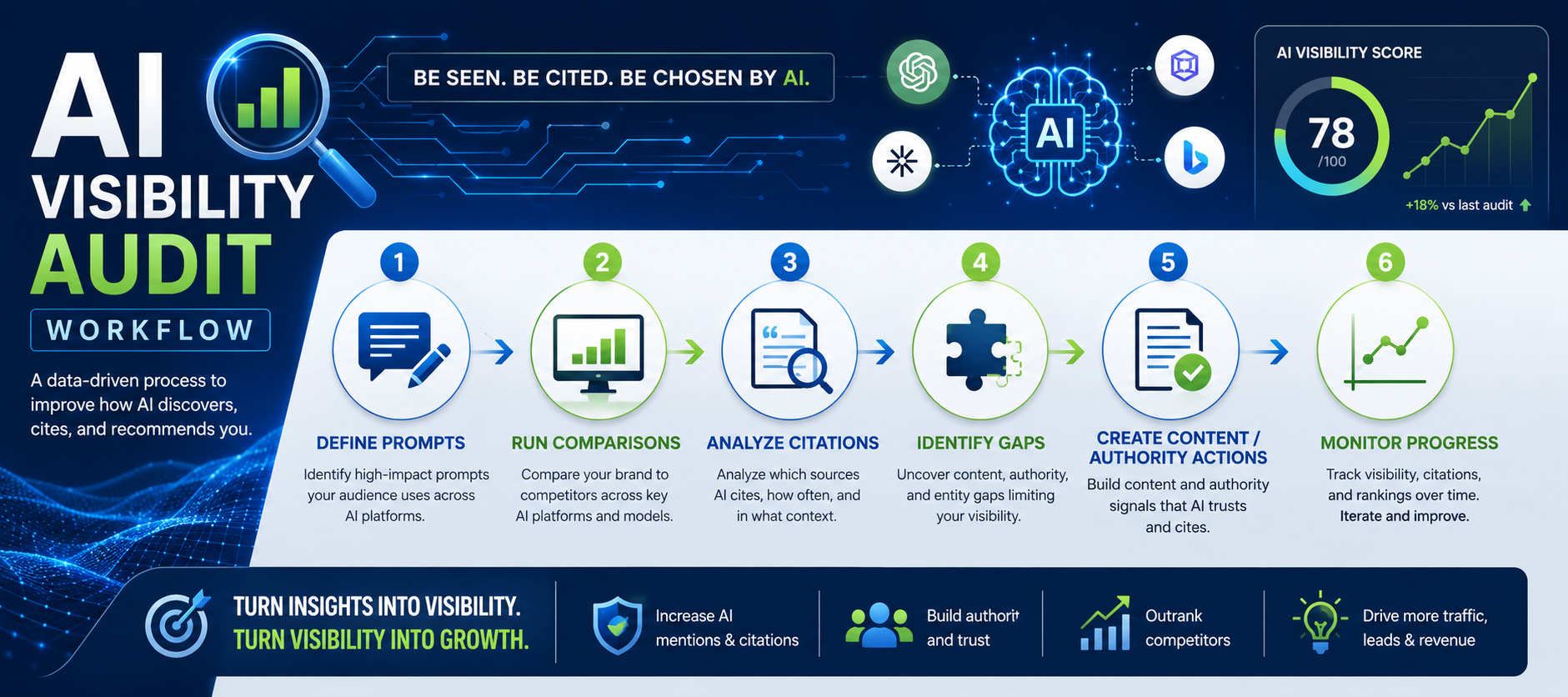
A GEO audit measures whether AI models cite your brand in generated answers. Run it once to establish a baseline before optimizing content.

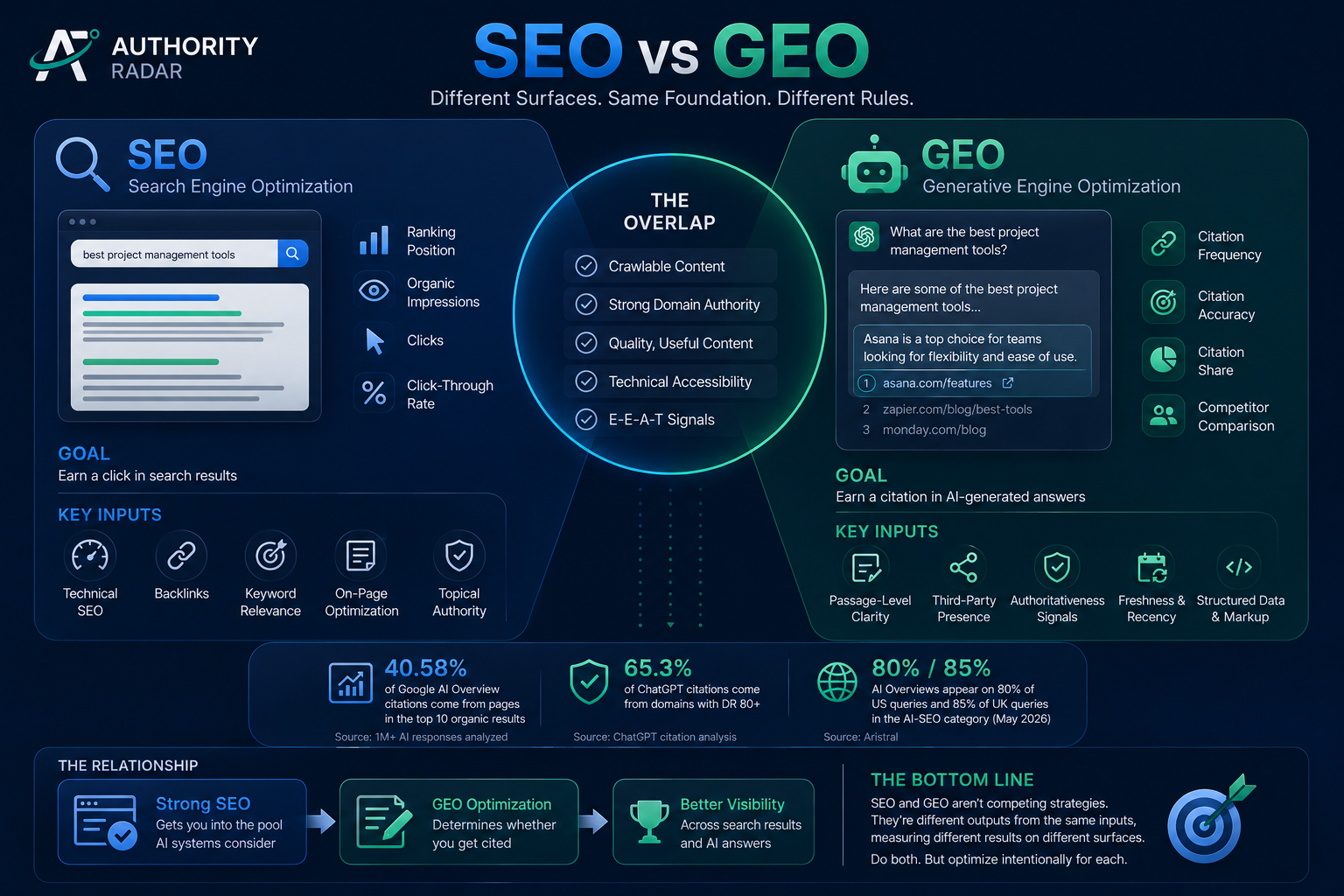
GEO and SEO aren't competing disciplines. They're different outputs from the same inputs. Here's when to prioritize which, with the data behind it.

28 GEO terms organized by what you're actually trying to do, not the alphabet. Each one comes with the decision it should change, not just a definition.
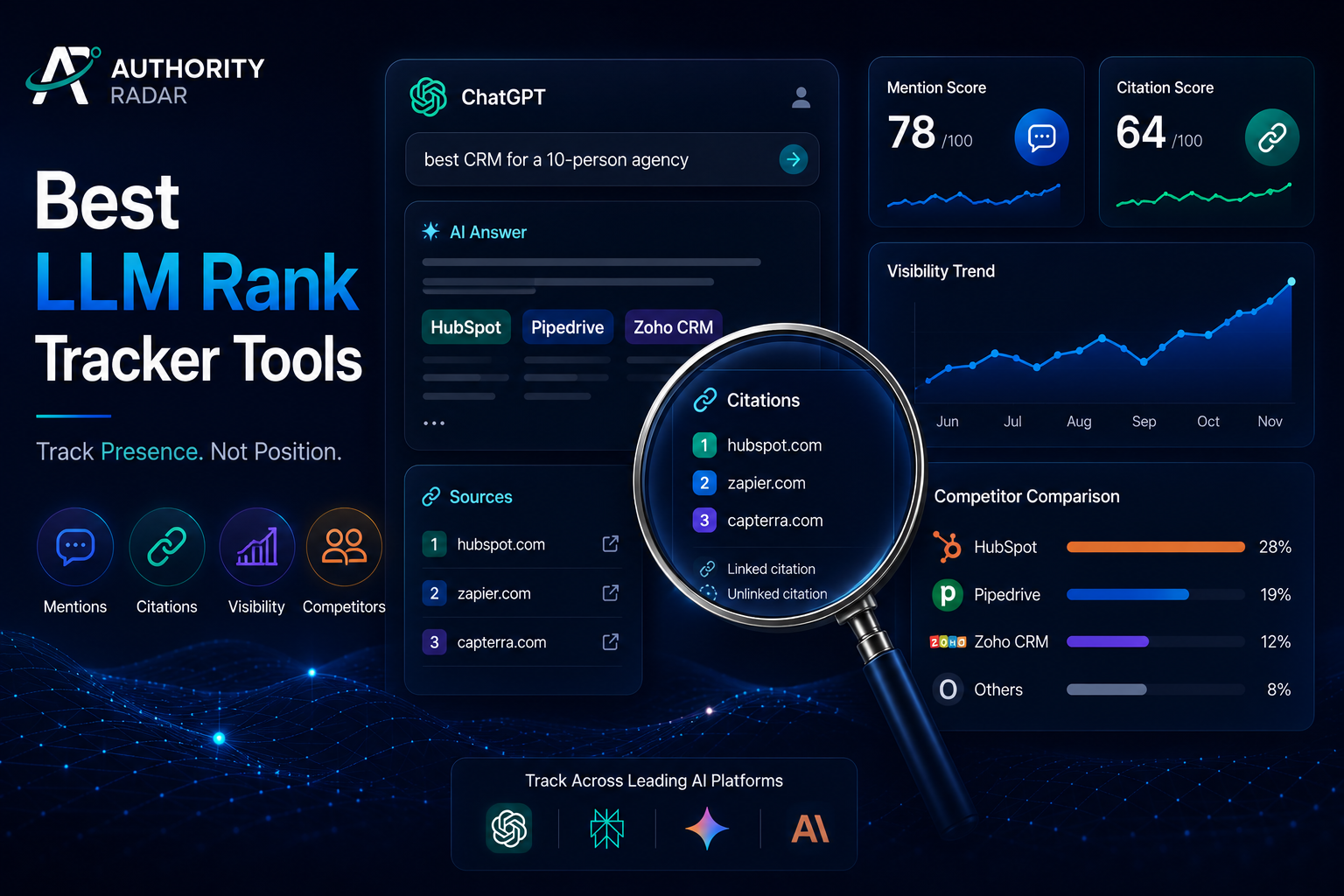
There's no SERP position in an AI answer, so what does "rank" even mean? Here's how the top LLM rank trackers actually measure visibility, and how to pick one.
Most teams have no idea whether Perplexity is citing or ignoring their brand. Here's the prompt-tracking system to find out, plus how to act on what you learn.

Find the best Otterly AI alternatives for tracking AI visibility, monitoring citations, analyzing competitors, and improving brand presence across ChatGPT, Google AI Overviews, Gemini, Claude, and other AI search engines.

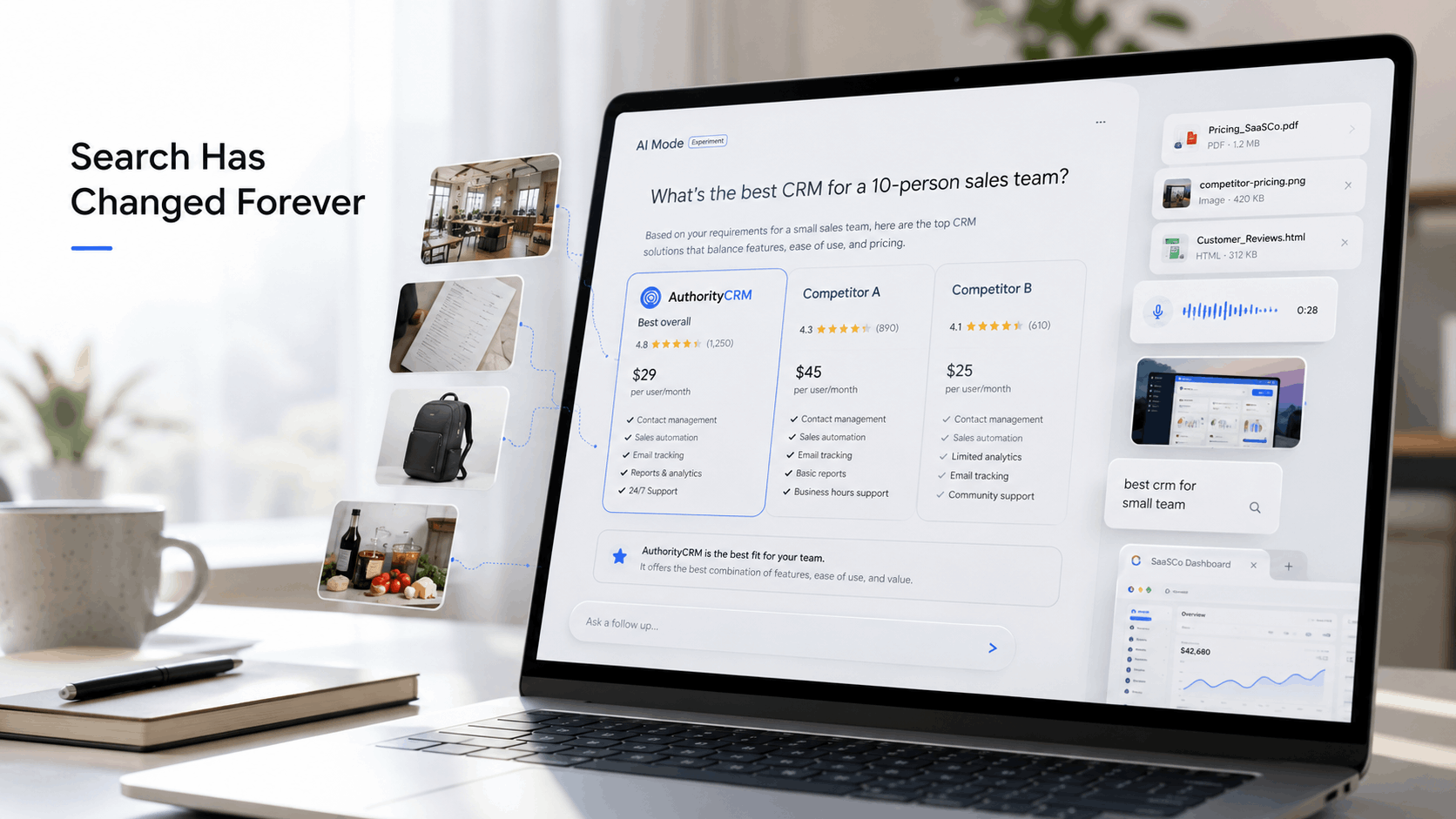
I was watching the I/O keynote when they said the search box was "completely reimagined with AI." I thought: okay, another demo. Then they showed a user uploading a competitor's pricing screenshot and asking "what's better?" and the AI built a comparison table on the spot. That's not an update. That's a new platform.

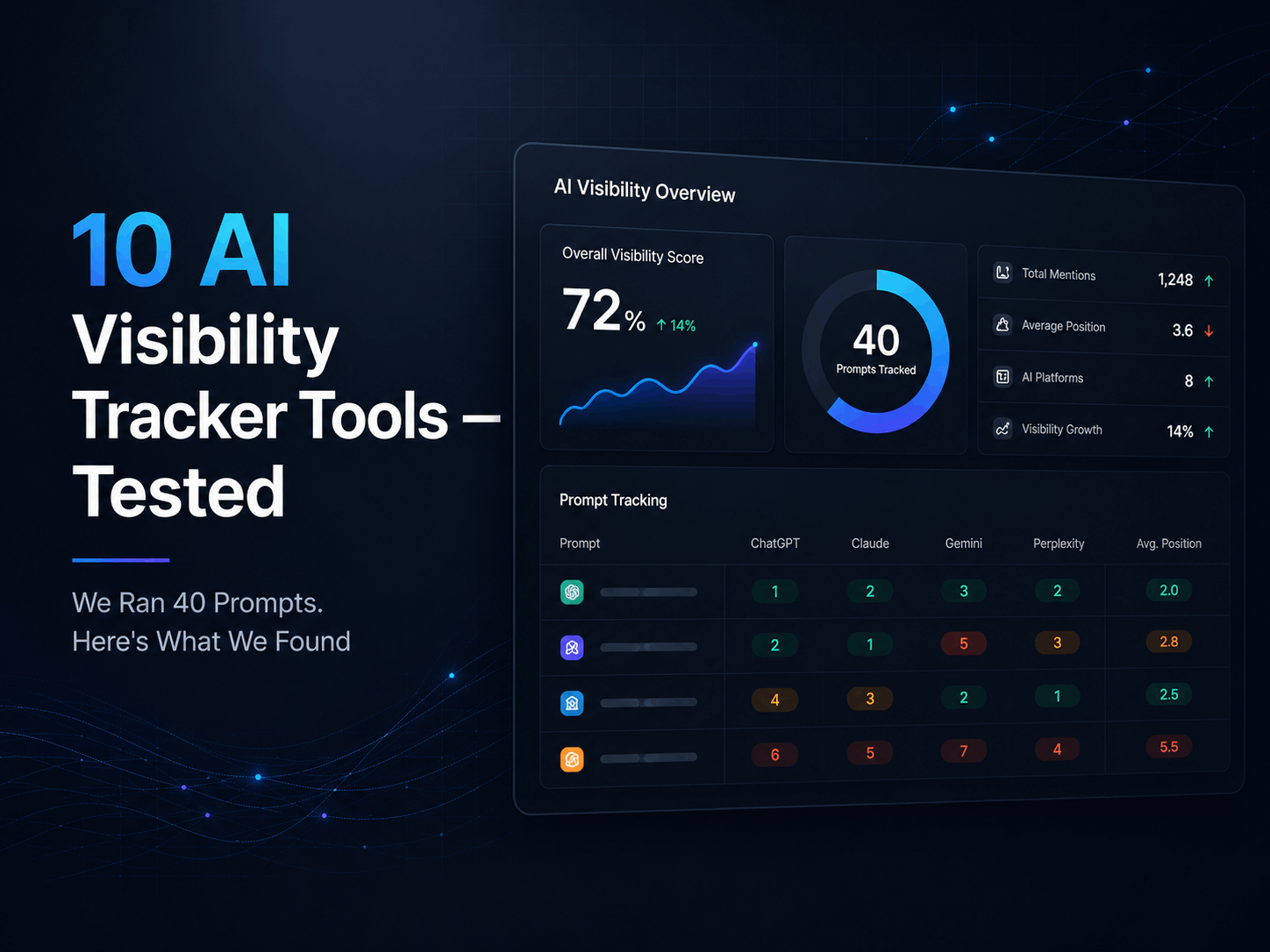
We tested the top 10 AI visibility tracker tools across ChatGPT, Gemini, Perplexity, and more — including hallucination detection, citation depth, and real GEO value. Here's our honest 2026 ranking.

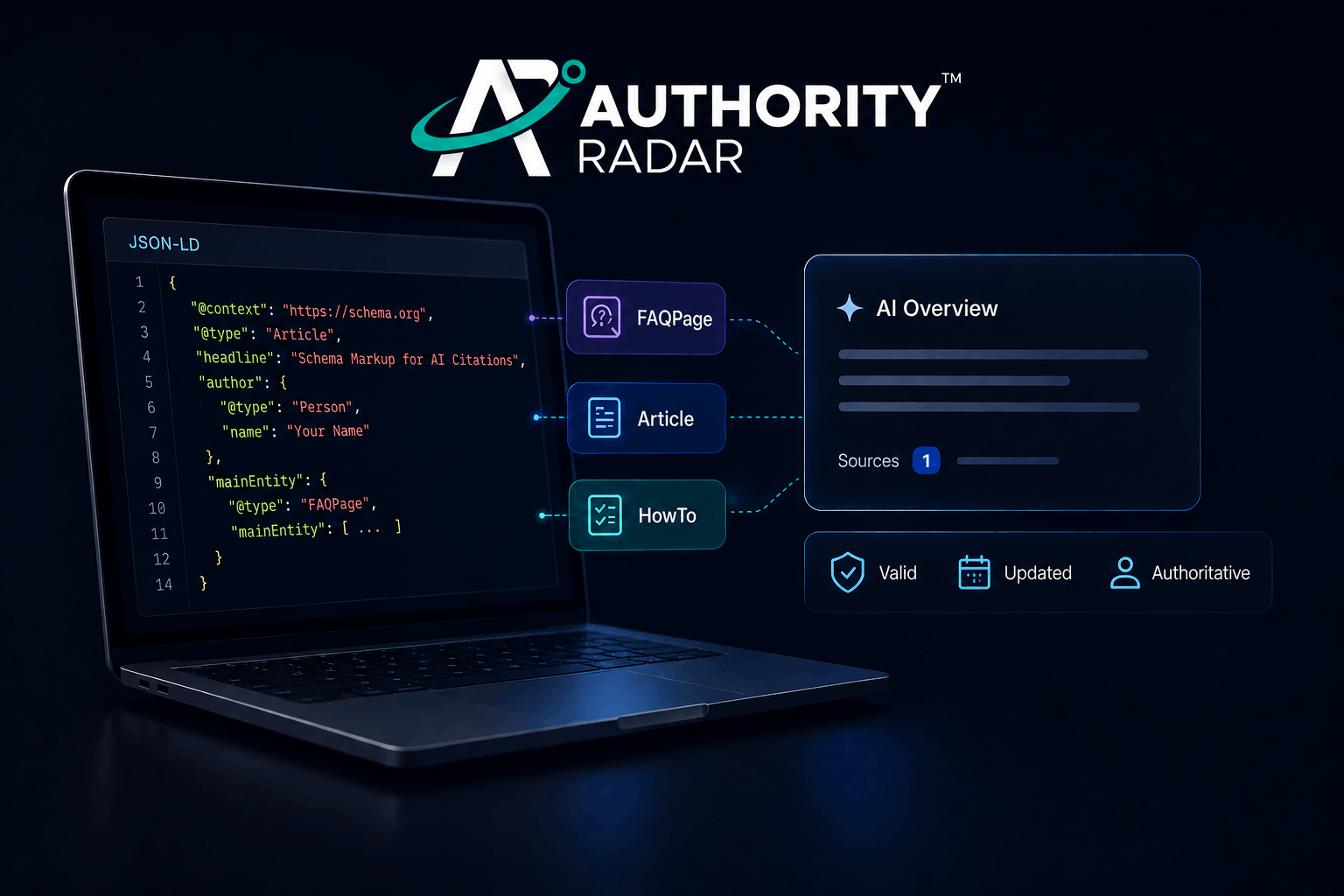
Schema markup makes your content AI-readable. Learn which JSON-LD types drive the most citations in ChatGPT, Perplexity & Google AI — with real code examples.

If your first three pieces already covered the problem space — things like AI citations, visibility gaps, and why brands are being left out of AI answers — then the smartest next move is to publish the measurement framework piece.

Google AI Mode synthesizes answers from multiple sources instead of just ranking links. For brands, that means success isn't just about ranking anymore — it's about answer inclusion, citations, and how you're framed inside AI-generated results. Here's the complete breakdown.

Same queries. Same brand. Different AI answers. We analyzed real campaign data to uncover why ChatGPT, Gemini, and Perplexity cite different brands—and what it means for your SEO.

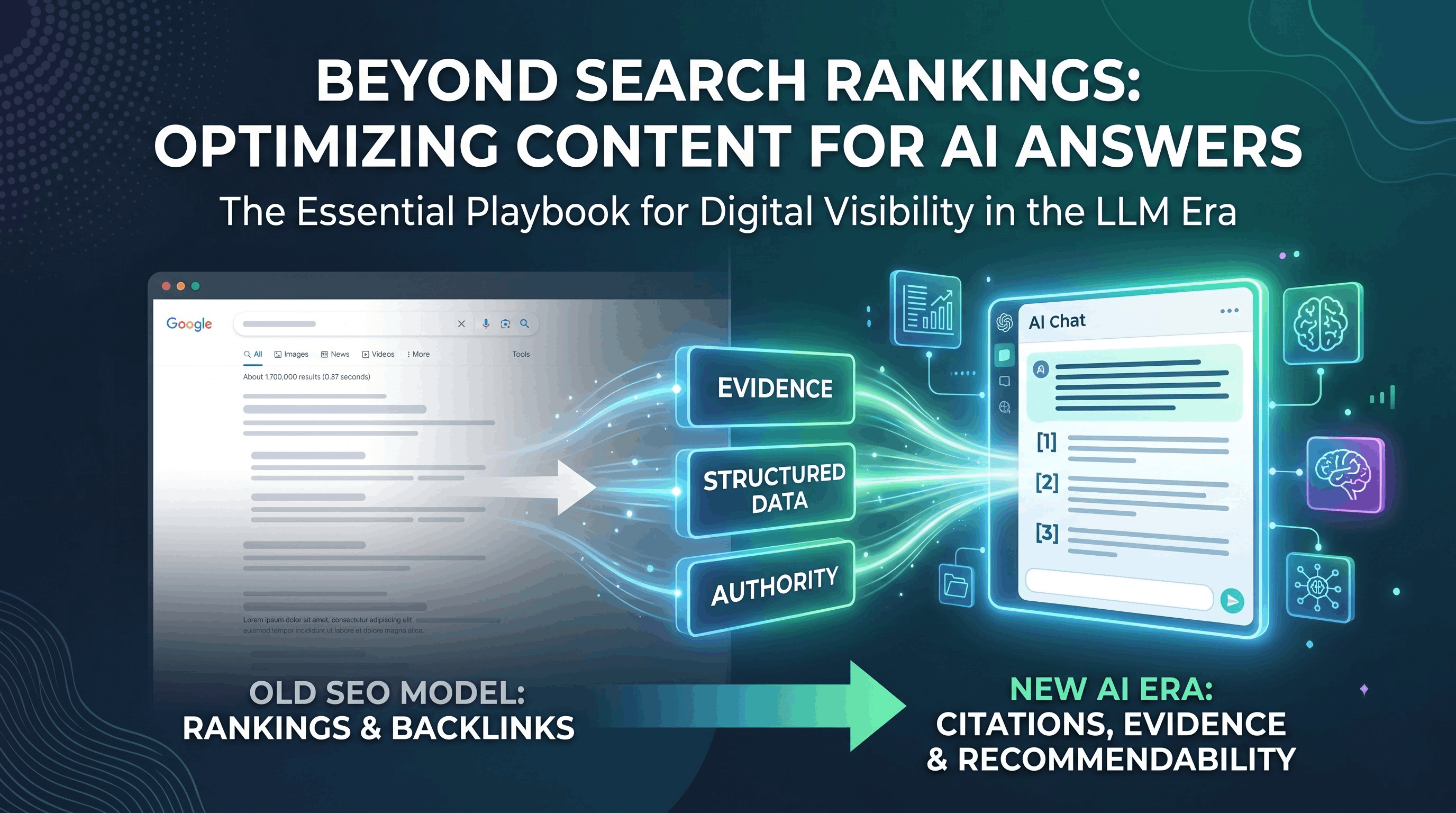
AI assistants increasingly answer search intent directly, often with citations, summaries, and recommendations. That means ranking #1 in Google no longer guarantees visibility where decisions are actually being shaped.