
GuideOct 12, 2026
How to Track AI Bot Traffic to Your Website
AI bots bypass JavaScript, hiding from GA4. Discover how to identify crawler user-agents in server logs, measure bandwidth impact, and control access via robots.txt.
AI bots bypass JavaScript, hiding from GA4. Discover how to identify crawler user-agents in server logs, measure bandwidth impact, and control access via robots.txt.

Travel GEO means structuring destination and hotel content so AI trip planners can extract and cite it directly using schema and consistent facts.
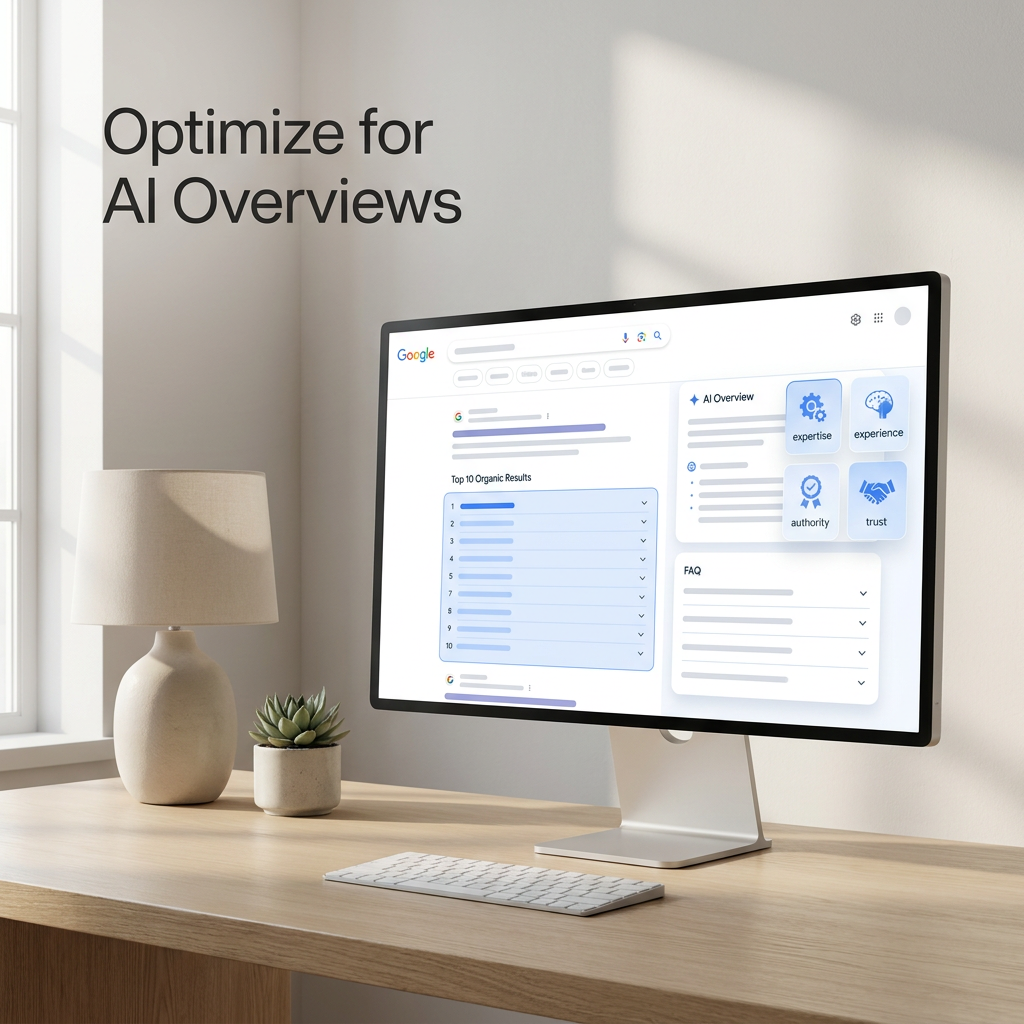
AI Overviews cite almost exclusively from top 10 organic results. Secure ranking first, then layer on structured FAQ blocks and E-E-A-T signals for citation.

Real estate GEO optimizes agent profiles for AI citations. Success requires structured schema, consistent reviews, and verifiable credentials across platforms.

Publisher GEO structures news content and schema so AI engines cite reporting directly. This shifts focus from clicks to citations, building brand authority.

AI recommends education programs based on machine-readable signals like schema markup and independent reviews. Brands exposing these signals get cited; those hiding them get skipped.

Authority Radar's Q3 2026 data reveals Google AI Overviews lead citations while churn rises. How-to content outperforms product pages significantly.

GEO prompts are natural-language queries that test whether AI engines mention your brand. This library offers 50 ready-to-use prompts across five intent categories.
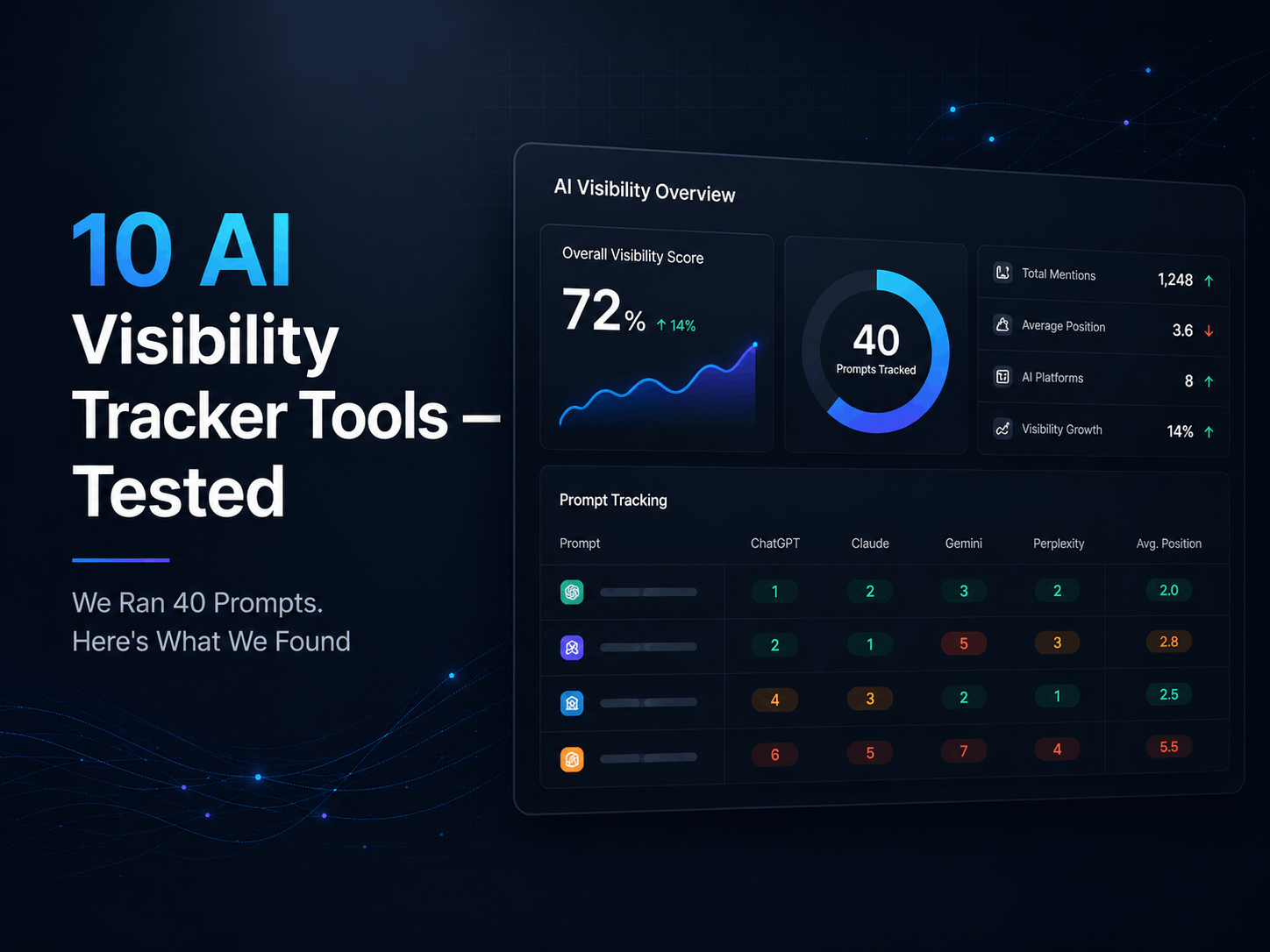
We tested the 10 best AI visibility tools for 2026 across ChatGPT, Gemini and Perplexity, comparing citation depth, hallucination detection and Google Search Console integration.
Trying to choose between Authority Radar and Evertune? We break down the real differences in pricing, features, and AI tracking to help you decide which tool actually fits your team's needs.
Trying to decide between Bluefish AI and Authority Radar? We break down the real differences in AI visibility, SEO, and content workflows so you can pick the right tool for your team.
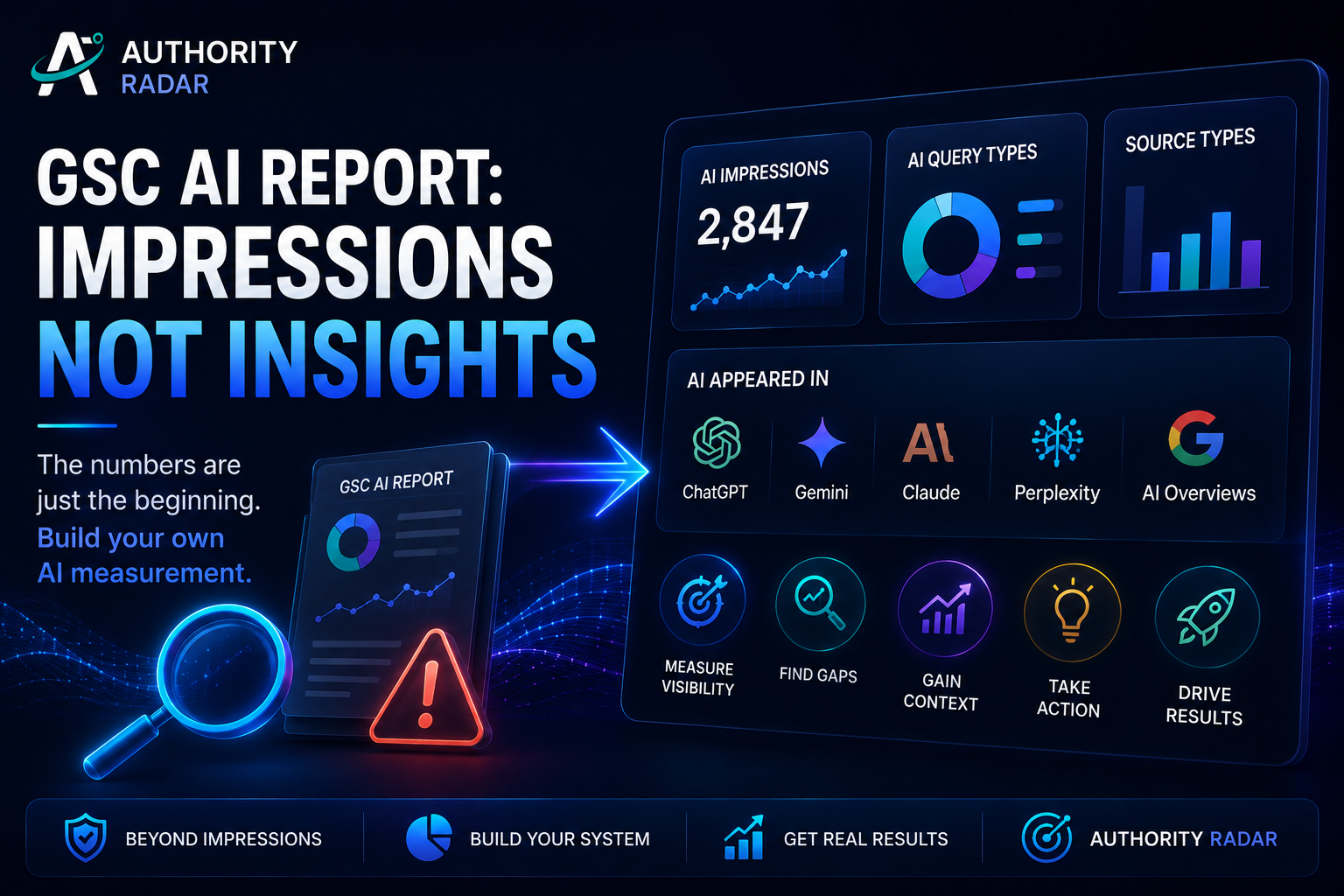
I logged into GSC last week and saw a new tab: "Search Generative AI Performance." Finally, I thought, I can see how much AI traffic I'm getting. Then I clicked in. Impressions? Yes. Clicks? No. Position? No. CTR? No. Just a raw impression count with zero context. This is the huge catch nobody's talking about.

AI shopping answers rely on structured product data, not SEO rankings. Learn how to optimize schema, brand entities, and reviews for GEO e-commerce success.
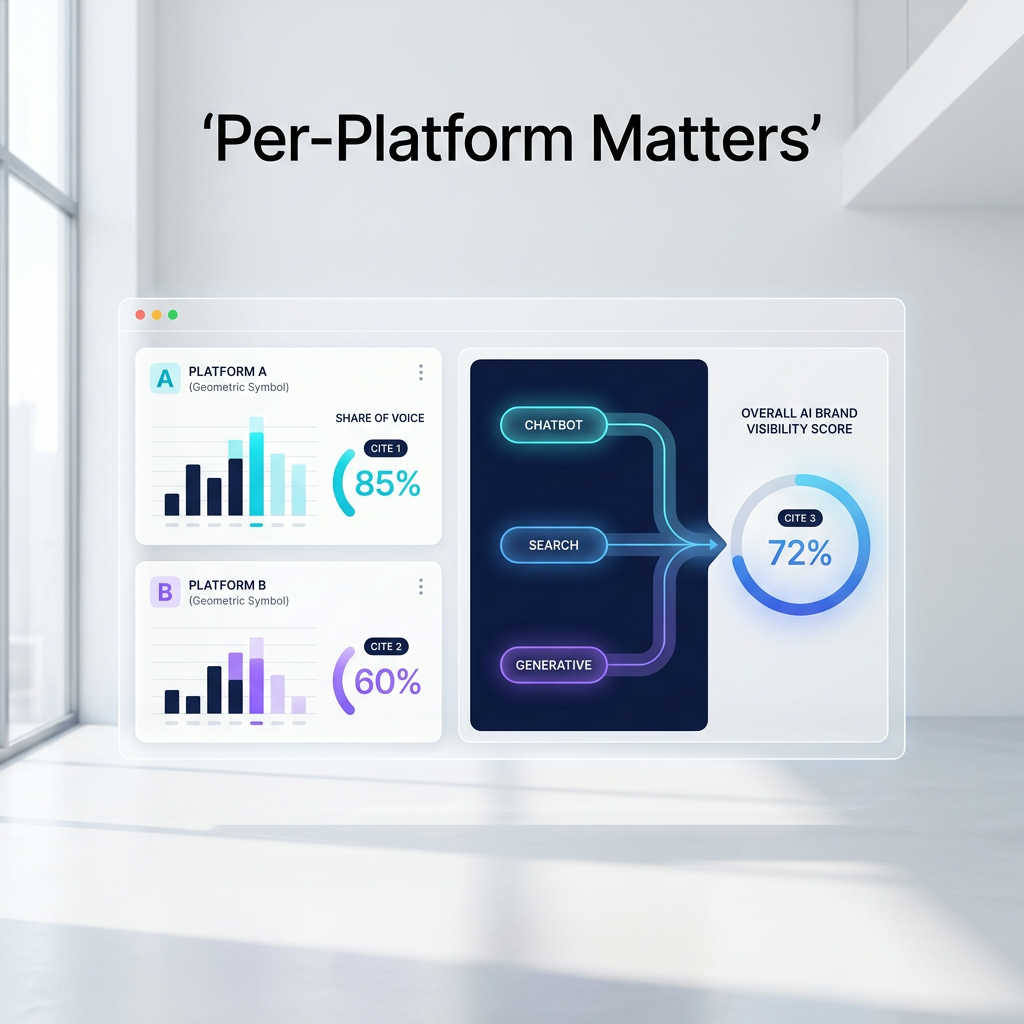
AI Share of Voice measures brand appearances in AI answers versus competitors. Per-platform tracking is vital since each tool sources citations differently.
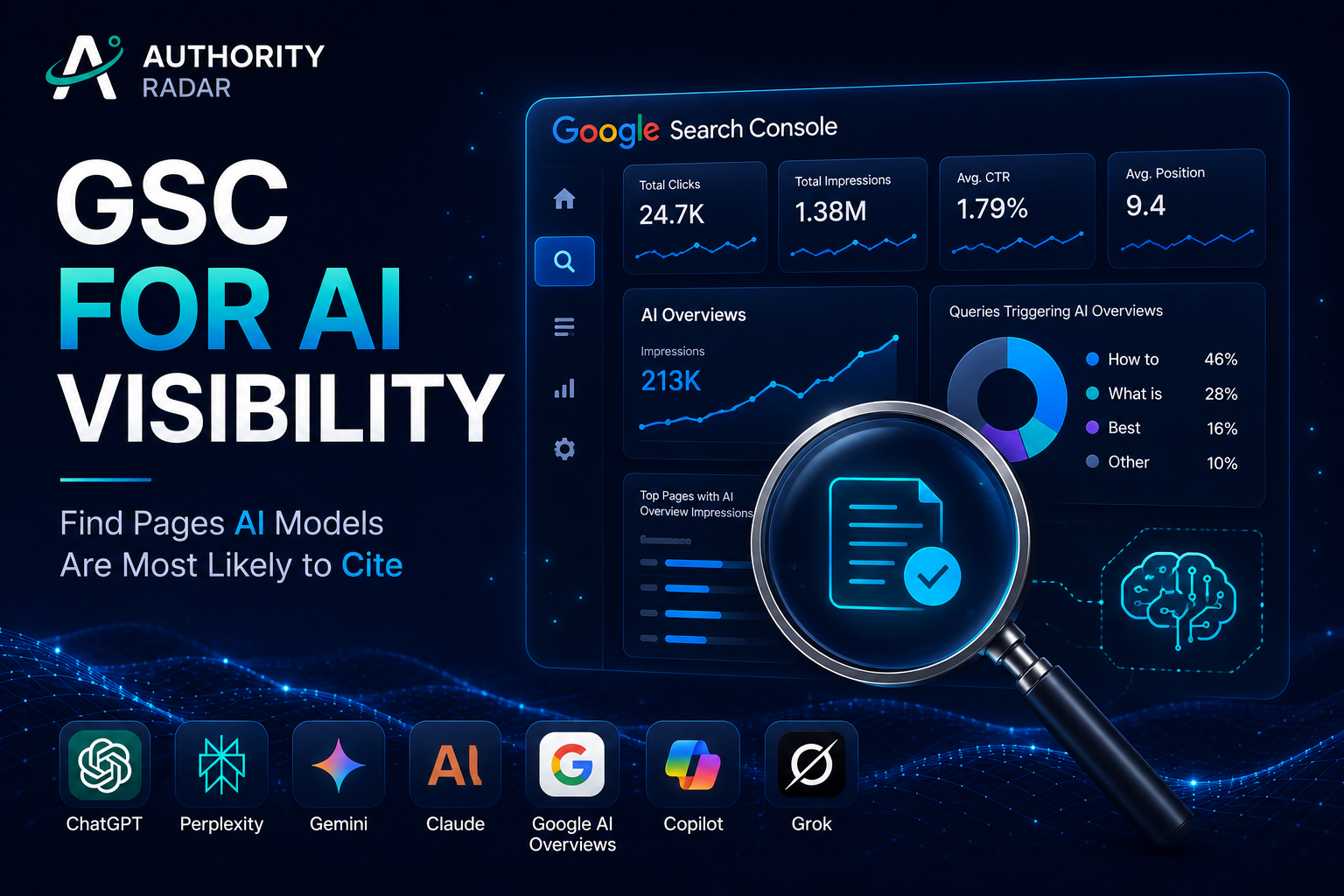
Google Search Console won't show ChatGPT referrals, but it reveals query data predicting AI answer readiness. Learn the workflow to turn GSC data into AI visibility wins.
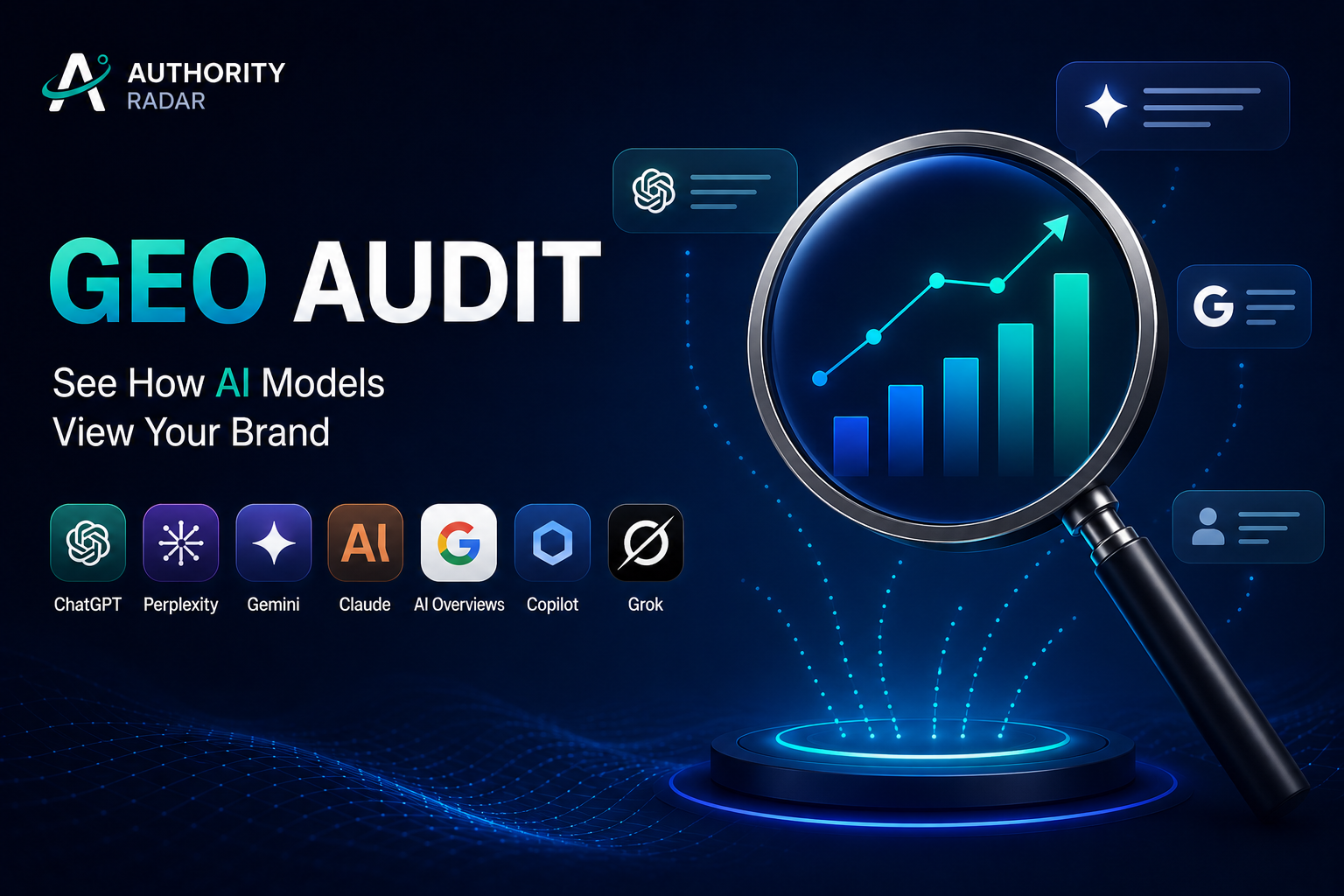
A GEO audit measures whether AI models cite your brand in generated answers. Run it once to establish a baseline before optimizing content.
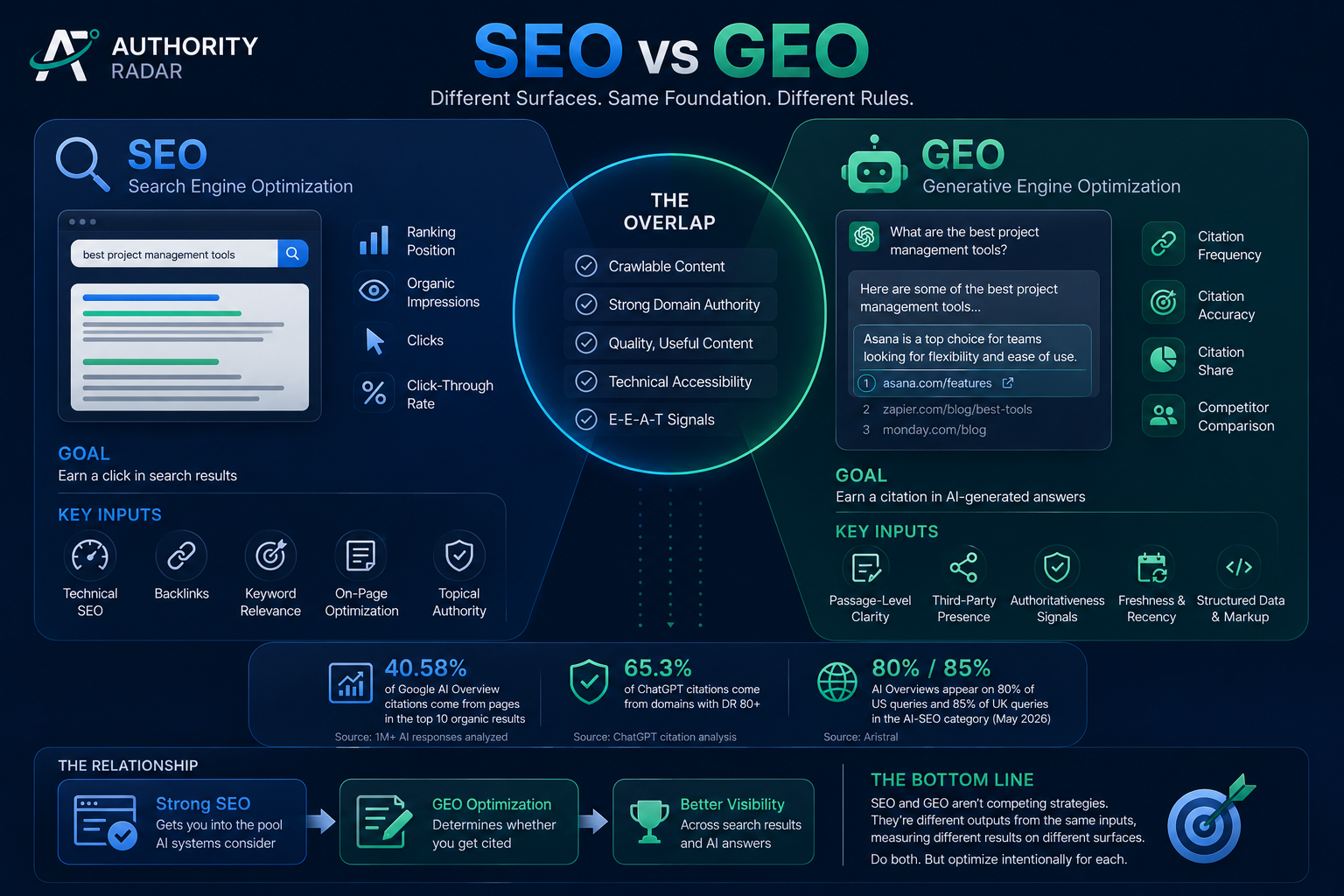
GEO and SEO aren't competing disciplines. They're different outputs from the same inputs. Here's when to prioritize which, with the data behind it.

28 GEO terms organized by what you're actually trying to do, not the alphabet. Each one comes with the decision it should change, not just a definition.
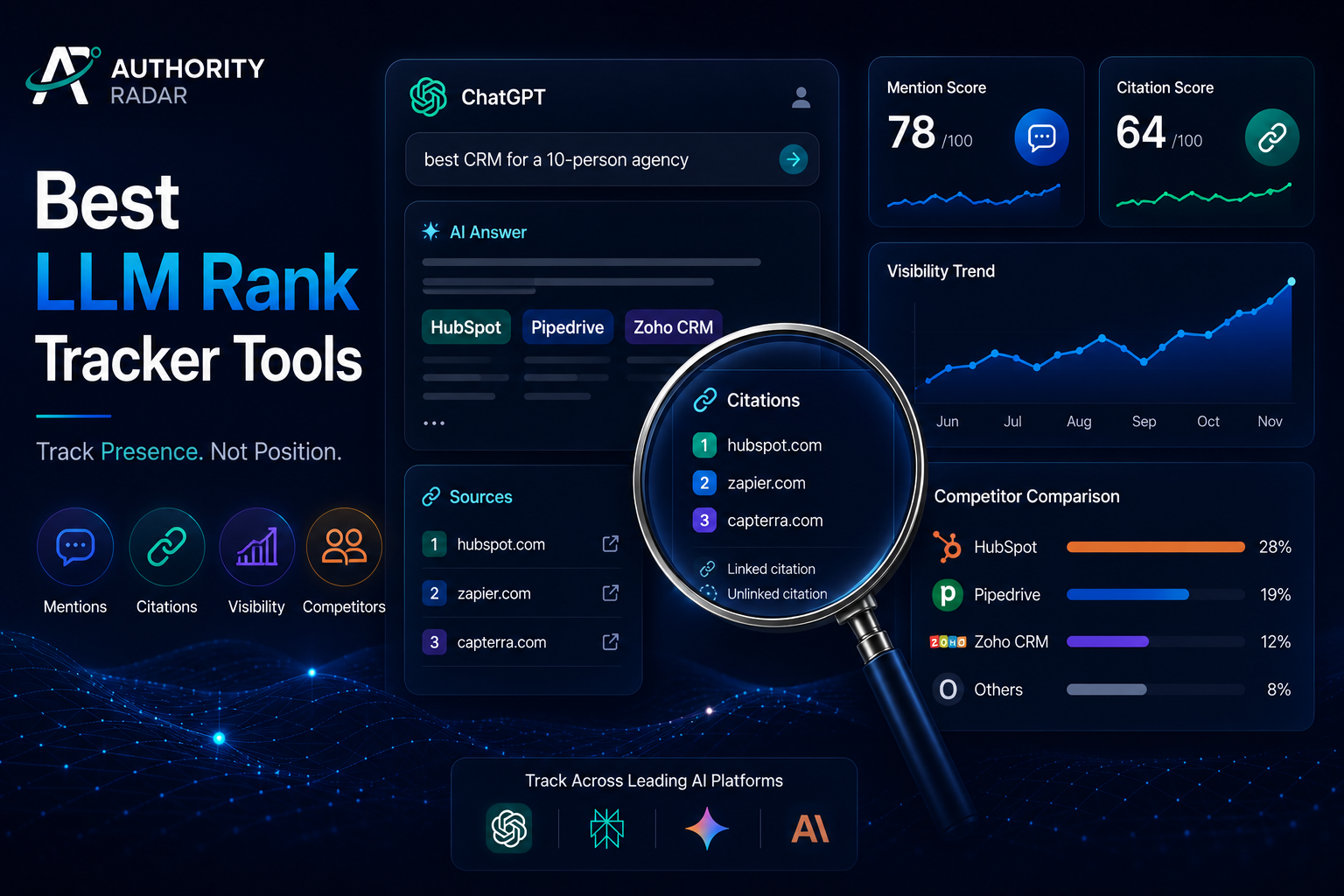
There's no SERP position in an AI answer, so what does "rank" even mean? Here's how the top LLM rank trackers actually measure visibility, and how to pick one.

Most teams have no idea whether Perplexity is citing or ignoring their brand. Here's the prompt-tracking system to find out, plus how to act on what you learn.

Google AI Mode synthesizes answers from multiple sources instead of just ranking links. For brands, that means success isn't just about ranking anymore — it's about answer inclusion, citations, and how you're framed inside AI-generated results. Here's the complete breakdown.